





















The promise of SaaS has been clear: faster innovation, lower operational overhead, and a platform that can help enterprises' data and AI capabilities thrive. But there is a catch: poorly executed SaaS migration does more damage than good. Why? It risks data loss, integration failures, and business downtime, ultimately impacting customer trust and long-term revenues.
Businesses depending on platforms driving core revenue workflows like sales pipelines, customer data sync, and team productivity cannot risk disruptions during migrations. For instance, businesses relying on Salesforce for CRM or Atlassian tools like Jira and Confluence can face additional risks during migrations as disruptions in them can directly erode deal velocity and operational efficiency.
So how do businesses navigate this? This is what we will discuss- What makes SaaS migration an effective one, how to go about it with cutover and how it helps. This playbook explores a pragmatic, and technical approach to SaaS cloud migration all while keeping one non-negotiable objective—zero (or near-zero) business downtime. The answer lies in centering migration on change data capture (CDC), contract-first integration, and progressive cutover patterns.
Let’s get started with the step by step breakdown of how to go about the migration process, and how implementing cutover helps.
1. The Discovery Phase: Building a Machine-Readable Dependency Graph
Before beginning any migration work, enterprises must first build a live, machine-readable map of their estate as an interrogable dependency graph. This should include services, APIs, database endpoints, ETL/ELT jobs, batch windows, SSO/SCIM/identity flows, partner integrations along with data volumes, schema evolution history, and data sensitivity tags (PII, PCI, regulated).
Doing this mapping will help enterprises prepare a prioritized migration backlog basis criticality, integration density, data intensity, tenancy model, and a proposed migration pattern (rehost/refactor/rebuild).
2. Data-First Strategy: CDC and Schema Governance for Low-Risk Cutovers
One of the biggest questions that enterprises must address during any significant SaaS data migration is “How do you keep transactional systems live while syncing data between legacy systems and the new SaaS platform.” The answer lies in CDC, schema registries, and staged reconciliation. The why lies in their core components and what they enable enterprises to do.
Core components
For core revenue flows, the ideal choice would be CDC instead of bulk ETL, as the latter creates long windows and brittle cutovers.
3. Integration and API Governance with Contract-First and Consumer Testing
Integration breakage can be brutal during migration processes. This can be done by focusing on APIs and treating it as a product itself. Enterprises can assign product owners to it, define clear SLAs and processes, and integrate contract testing as a part and parcel of CI. This will help detecting regressions early while allowing the business to grow with resilience.
4. Cutover Mechanics
What is cutover?
Cutover is a critical phase during the implementation of an IT system or software migration project that helps ensure the migration is done during strategically planned downtime with minimal disruption. This involves planning, execution and monitoring by breaking down complex, interdependent processes into multiple smaller chronological tasks.
They outline orchestrated steps that help deploy changes in zero-to-minimal downtime. The Service & Data Dependency Graph created during the Discovery phase comes alive during this phase to plan these sequences seamlessly.
Key Aspects of Cutover
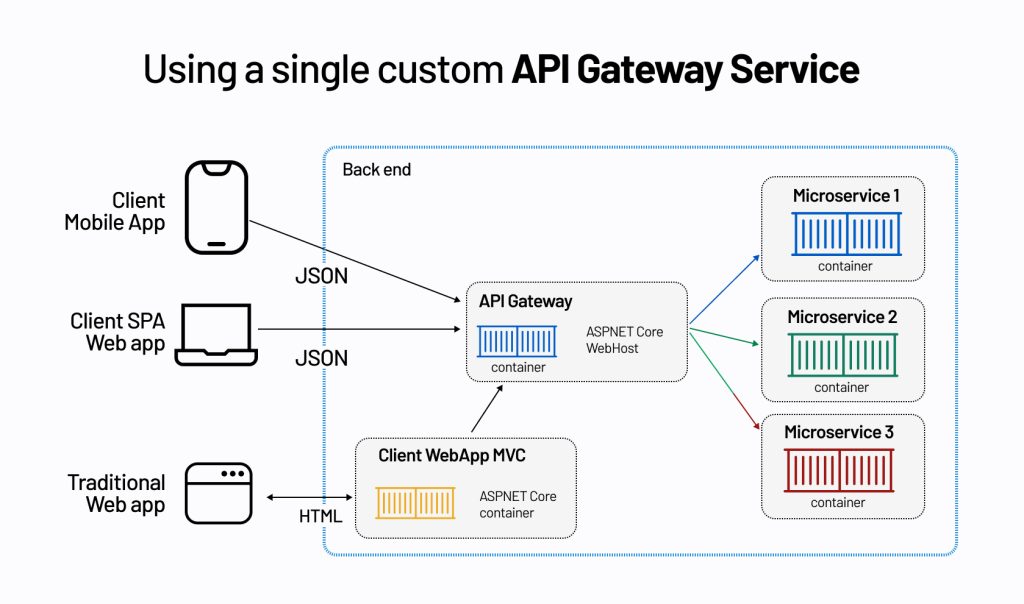
In microservices context, it uses elements like API-first contracts, gateways, and event meshes that we discussed earlier to manage the dependencies on API/DB/ETL without disrupting revenue flows.
See how we can tailor your roadmaps for implementing or migrating to SaaS solutions in the least disruptive way. Talk to our SaaS experts. Schedule a call
Let’s see an example. For customer facing systems and SaaS website migration teams working on it will have to plan it with the focus on minimize external disruption. The process can look like this.
Artifacts to Ship Before Cutover
5. Observability, SLOs & SRE Guardrails
The SLIs and SLOs that need to be tracked like availability, p95 latency, error budget etc. need to be well-defined early on. Additionally, instrumenting tracing with OpenTelemetry (OTel), metrics, and logging across legacy and target systems can help ensure to ensure uniformity during the transition.
This can look like:
This brings enterprises detailed observability helping them measure the delta between systems in real time.
Be it legacy-to-SaaS or SaaS-to-SaaS transitions, our experts can tailor zero-downtime roadmaps for enterprise-specific use cases. With over 25 years of integration expertise and an extensive partner network, we can help manage end-to-end implementations of Salesforce and Atlassian.
Talk to our SaaS and integration experts to find out more. Schedule a call
6. Post-Cutover: Stabilization and Continuous Optimization
Till the systems stabilize, observability and SRE teams must continue tuning the environment. This window can include allocating a 30-90 day stabilization window with dedicated SRE rotations. Teams can also continue to optimize data retention, storage class, and query patterns to keep costs controlled. Additionally, building AI/ML readiness can help ensure consistency in event streams and feature stores.
Final Word
The core of conducting an effective, zero-downtime SaaS migration lies in adopting a data-first mindset. While CDC pipelines, contract tests, event meshes, and canary choreography become the tools to execute a seamless migration, teams need to keep the focus on measurable gates and automation.
With over 25 year of expertise in emerging technologies, we have worked with large Fortune 500 companies to help them in over 1000 projects in AI, Data, custom applications, machine learning, and cloud solutions.
Curios to explore SaaS and cutover in depth and get a custom roadmap for a pilot? Drop us a line and our experts will connect with you.
